


Burgers on the business card
AMSTAT data says that preowned turboprop transactions in Q1 2026 fell by 8.9% compared with Q1 2025.
The price has gone up for the $100 hamburger. But what about if it’s on the business card?
The $100 hamburger is an old general aviation saying that describes pilots spending much more than their mediocre meal was worth because they opted to fly to an hour or so to get there. With ownership, operating costs and even beef futures up 15%, could we get to a point when owners decide that the costs are not worth the burger?
Jason Zilberbrand, president of VREF, the aircraft values company, thinks this has already started happening. “Buyers are underwriting fuel volatility, financing costs, insurance pressure, maintenance exposure and future liquidity differently than they were 12-18 months ago,” he says.
Zilberbrand says buyers have started hesitating because confidence has weakened. “The important distinction is markets rarely weaken through price first,” he says. “They weaken through participation. Deals take longer. Buyers become selective. Inspection disputes increase. Financing scrutiny expands. Bid and ask expectations separate. Only later do published values fully respond,” he adds.
As he says, data from the first quarter was strong. Some 66% of IADA members expect pricing to remain stable for turboprops over the next six months. Just 22% are expecting a fall.
AMSTAT data says that preowned turboprop transactions in Q1 2026 fell by 8.9% compared with Q1 2025. This was 4.8% below the 10-year Q1 but above Q1 2024 levels and similar with 2023. Turboprop availability had risen in 2024, but declined by 6.7% in Q1 2026. It says that average asking prices remained relatively stable throughout 2025 at approximately $2m, increasing by 3.7% between Q4 2025 and Q1 2026. Median values have trended downward since mid-2023, although AMSTAT thinks data suggests that this decline may be stabilising.
“The problem today is the ask-to-close spread,” says Zilberbrand. “Sellers are pricing backward based on yesterday’s market, buyers are underwriting forward based on tomorrow’s risks.”
Mike Smith, president, Scope Aircraft Finance – which handles jet, turboprop and piston deals – is more optimistic. “I think any ‘softness’ that might be perceived in the market is probably just this continued return to normalisation. So we have not adjusted any residual approaches. Similar to how when aircraft values stabilised and went up after 2020, we didn’t underwrite assuming aircraft values were going to continue to go up.”
Smith says it is too early to define trends, especially in the wake of four global supply shocks in the past five years. Instead, the company relies on its historical data and long-term mindset.
“If we go back to 2019, we all recognise that aircraft lose value over time. Then 2021 hits and demand increases, but supply didn’t follow. Aircraft values started either going flat or up. But we didn’t assume that in our future analyses. We assumed that historical pre-2020 trend existed,” says Smith.
But, sifting through Scope’s 50 years of transaction data, Smith has no precedent to compare with current market conditions. “We just have to focus on the fundamentals,” he says.
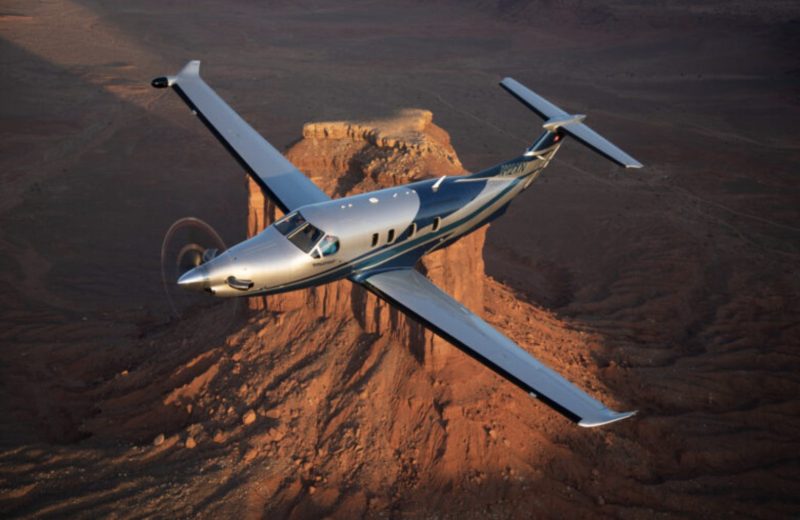
There is, of course, no one market. “Single-engine turboprops appear somewhat more resilient than twins largely because operating economics remain compelling and owner-operator demand remains healthier,” says Zilberbrand. “Aircraft like the PC-12 still maintain exceptionally strong utility profiles. Older twins face more pressure, particularly where supportability, avionics obsolescence and ageing fleet concerns begin entering underwriting decisions.”
Smith agrees. “The sheer number of units and the entry price point allow for more buyers. Take a PC-12 – that’s a multi-platform aircraft that can be used for different mission profiles,” he tells us. “So it’s not restricted to just personal business use or executive transport. A lot more residual stability exists because of that.”
The piston market may be hit hardest. “Confidence matters here too, but owner confidence in piston markets often looks different. Household balance sheets, consumer confidence, insurance affordability, fuel costs, disposable income, hangar availability and maintenance accessibility. Those factors matter enormously,” says Zilberbrand.
He likens today’s market conditions to the 2018-2019 period. “Markets did not collapse, but underwriting standards changed, buyer caution increased and transaction velocity slowed materially before values fully adjusted.
“If we move through peak flying season without meaningful recovery in transaction activity, I believe that points toward something more significant than temporary hesitation,” says Zilberbrand.
Smith contends that all depends on what the primary mission of the aircraft is.
“I think the bigger difference here is if it’s personal use or if there’s a business use component,” he explains. “For those that are pure weekend pleasure-type flights, there probably is a thought of: ‘Boy, do I really want to spend the money right now?’ If you have a business use for it, there’s definitely some sort of decision, but I don’t think it’s going to be an automatic turn-the-light-switch-off because fuel prices are up.”
Zilberbrand adds: “Markets generally do not reset through price first. They reset through participation. That behavioural shift is precisely what we continue watching closely. If it costs $1,000 to fly and buy the $100 hamburger, a lot of folks will stop buying the burger.”
Long and short of it, if it’s an option, stick the burgers on expenses.
Subscribe to our free newsletter
For more opinions from Aicraft Investor, subscribe to our One Minute Week newsletter.