
De Havilland Twin Otter 300-G: Buyer’s and Investor’s Guide
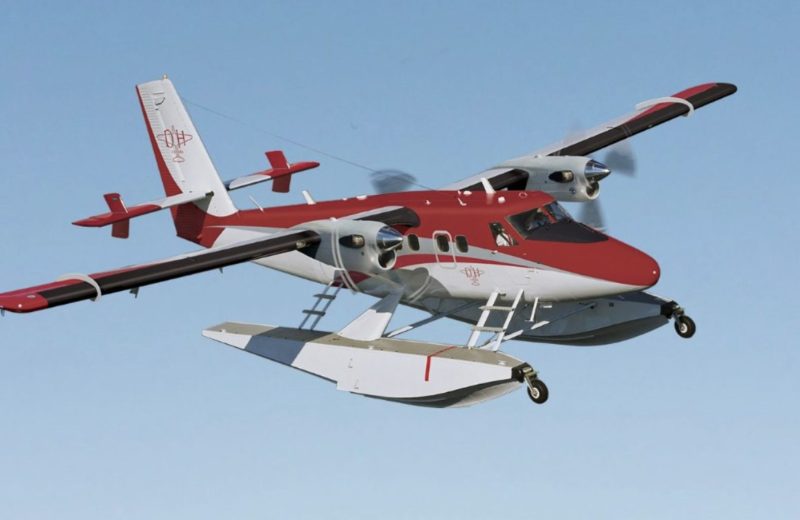
Pros: The 300-G’s twin-engine setup, backed by a vast global network and over 50 years of history, gives operators confidence. It’s STOL (short take-off and landing) capabilities and a modern Garmin system make it one of the most versatile aircraft on the market.
Cons: Slower cruise speed is a major disadvantage compared with competitors, and whilst offering redundancy, the twin-engine setup means higher fuel burn.
Flying:
The 300-G cruises at a maximum of 182 KTAS at 10,000ft. It has a maximum range of around 871nm with zero payload, or 803nm with a payload around 2,200lb. Although this can be extended if you opt for the longer-range tankers. Compared with a similar aircraft the Cessna SkyCourier, which cruises at 200 KTAS with a maximum range of 900nm the 300-G loses out to it in speed and range. However, the SkyCourier requires 3,300ft of runway for take-off, the 300-G needs only 1,200ft. This makes it a decisive feature for remote shorter runways like Saba Airport, which is the shortest in the world and is flown solely by Twin Otters.
There are two engine options available for this aircraft: the standard PT6A-27, and the optional PT6A-34, which is engineered for more extreme environments.
The 300-G’s service ceiling is 25,000ft matching the SkyCourier, so neither aircraft can fly above the weather.
Compared with previous models the 300-G feels like a meaningful step into the future for the Twin Otters. The weight on the 300-G is reduced by around 400-500lb compared to the Series 400, resulting in better payloads and range on flights. This weight saving is primarily achieved through the Garmin G1000 NXi avionics, which are lighter than the Honeywell systems used in the Series 400, along with new cabin materials and redesigned seats.
Owning:
A new Twin Otter 300-G is priced at around $6-7m (£4.5-5.2m). Its robust systems feature increased service life and longer periods of time before the aircraft must be called back into a hangar to be serviced, allowing for more flying time.
The PT6A-27 and PT6A-34 engines are some of the most widely supported engines, which makes parts availability not a concern for operators. The lighter design on the 300-G also reduces operating costs, and a new Zonal Maintenance Program increases inspection, reducing duplication in incidents.
One of the 300 G’s most compelling features is its ability to take-off on land and water. When attached to amphibious floats, the aircraft can move between land and water, making island travel such as in the Maldives much more accessible. The 300-G can also be fitted with skis or tundra tyres, making it at home in snowy weather and rough, unprepared terrain.
Travelling:
The 300-G was never designed for luxury. The cabin measures 18ft 5in long, 5ft 9in wide and 4ft 11in high, making it functional but small enough to take on the smaller airports. It seats up to 19 passengers in its commuter configuration. Passengers on longer flights will notice the absence of premium features, but they trade that for access. 300-G passengers are usually flying somewhere that no other aircraft can take them.
Where the 300-G does have significant improvements to previous models for passenger comfort is its updated interior. It has redesigned windows, bringing in more natural light creating a brighter cabin. There are also new integrated passenger service units featuring LED lighting and individual air vents above each seat. The cabin can be configured in a wide variety of ways passenger, cargo, VIP, special mission etc. This gives operators flexibility depending on the type of route.
Hard Facts: De Havilland Canada DHC-6 Twin Otter Classic 300-G
- Range: Standard Tanks: 982mi / 1,580km / 853nm | Long-Range Tanks: 1,224mi / 1,971km / 1,064nm
- Maximum Speed: 209mph / 337kmph / 182KTAS
- Service Ceiling: 25,000ft
- Typical Passengers: 19 PAX
- Typical Crew: 1 or 2 Pilots
- Typical Price (new): $6-7 or £4.5- 5.2 million